What food is Mykonos known for?
Cured meats, cheese and a few rare vegetables. The municipality lists cold cuts, dairy and farm produce as the island’s traditional products, made for generations in the pig-slaughtering season of autumn and winter, when the north wind and the low temperatures dried the meat.
Today the cold cuts are made all year, and you find them in butchers’, groceries, tavernas and cafés; some rarer ones are still made only in winter, at home.
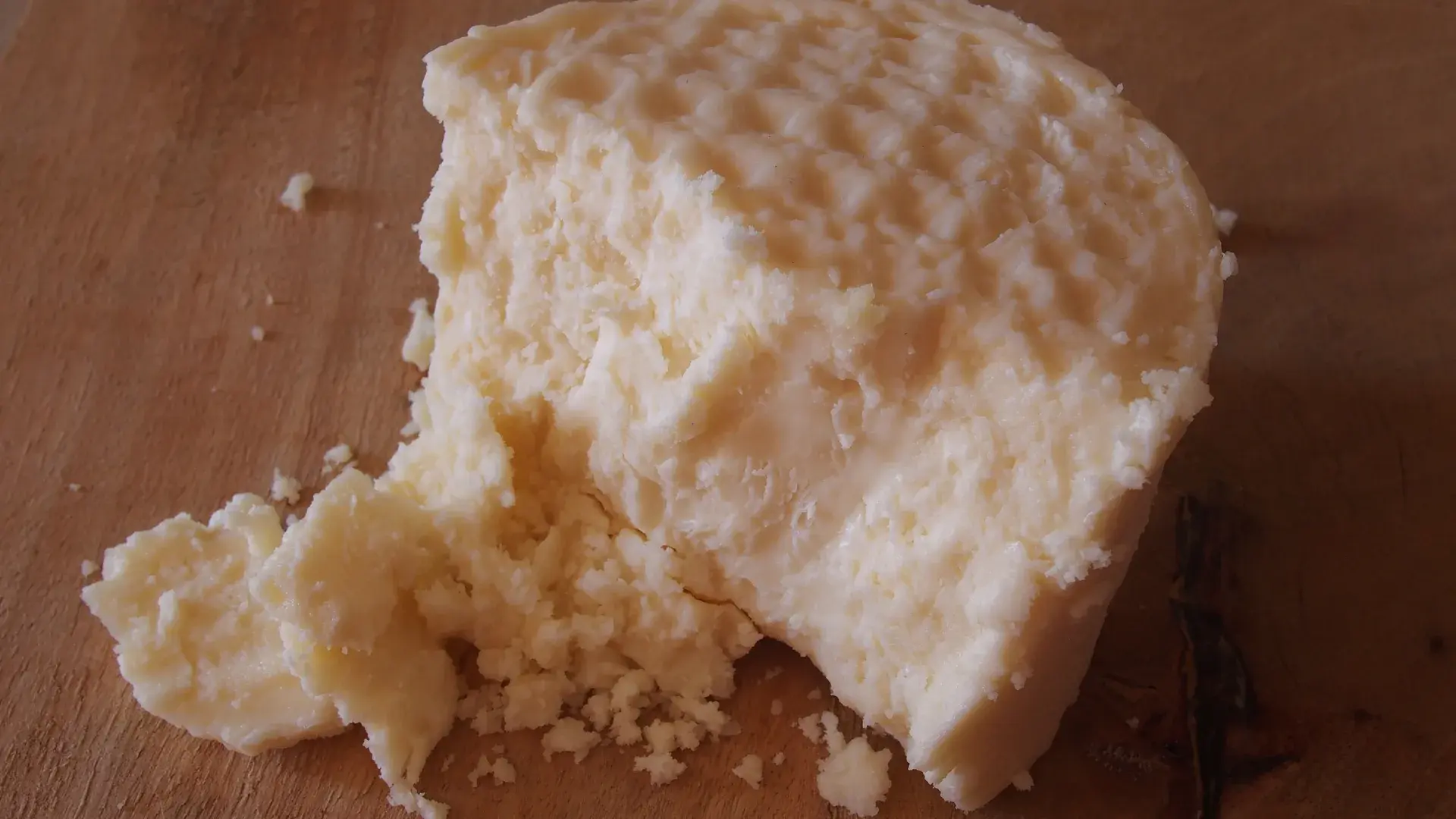
What is kopanisti cheese?
The island’s famous spicy cheese and a Protected Designation of Origin product of the Cyclades. It belongs to the blue-cheese family and is a fermented cheese made from salted whey cheese, matured for at least 45 days; niari is the same cheese young, before the bite develops.
The municipality’s advice is not to eat it on its own. On the island it comes on a ‘mostra’, a slightly damp rusk with kopanisti, tomato, olive oil and perhaps some oregano, ideally with an ouzo; some soften it with pork fat or butter.
In Ano Mera there is a kopanisti workshop, and the village is a good place to try it; more in Ano Mera and the quiet side.
What is louza, and what are the other cured meats?
Louza is the island’s prized delicacy: the lean eye of the pork loin, salted, flavoured with savory, oregano, allspice and pepper, cased and hung in a cool, airy place for at least 20 days. Traditionally it is one piece about a metre long; shops sell it in pieces or sliced.
These are the cured meats the municipality lists:
| Product | What it is |
|---|---|
| Louza | Pork loin eye, salted, spiced and air-dried for at least 20 days; eaten like prosciutto |
| Bouboulo | A small louza made only from the tenderloin, eaten uncooked |
| Mykonian sausages | Coarsely chopped meat and fat with salt, savory, oregano and pepper, air-dried |
| Paides | Whole pork ribs, salted and spiced like louza, hung for 20 days or more, then cooked |
| Sysera or syglina | Small pieces of the last ribs, fried in their own fat and kept in jars under it |
Which other cheeses should you try?
Tyrovolia, which the municipality calls the quintessential cheese of Mykonos: a soft, white, unsalted sour mizithra used in sweet and savoury pies and in salads. Salted and drained in a mould, it becomes xinotyro, a cone-shaped cheese eaten fresh at the table or, once matured, grated over pasta.
Vrasto, a hard cheese of the kefalograviera type, was traditionally made on the island and has come back in recent years.
What else grows and is cooked on the island?
Beans, greens and seasonal dishes. Among the farm produce the municipality names atzouri and xylangouro, the local sweet potato and kafematika, small boiling beans also called Mykonian beans, as well as figs, prickly pears and the wild greens gathered in late autumn and early spring.
Seasonal dishes include small snails after the first rains, coarse pork meatballs, azonara, a salted pork knuckle with wild greens, Mykonian broad beans with garlic sauce, onion pie and honey pie. The Mykonos Gastronomy Club, active since 2012, works to keep them known.
When to eat before a night out in Mykonos
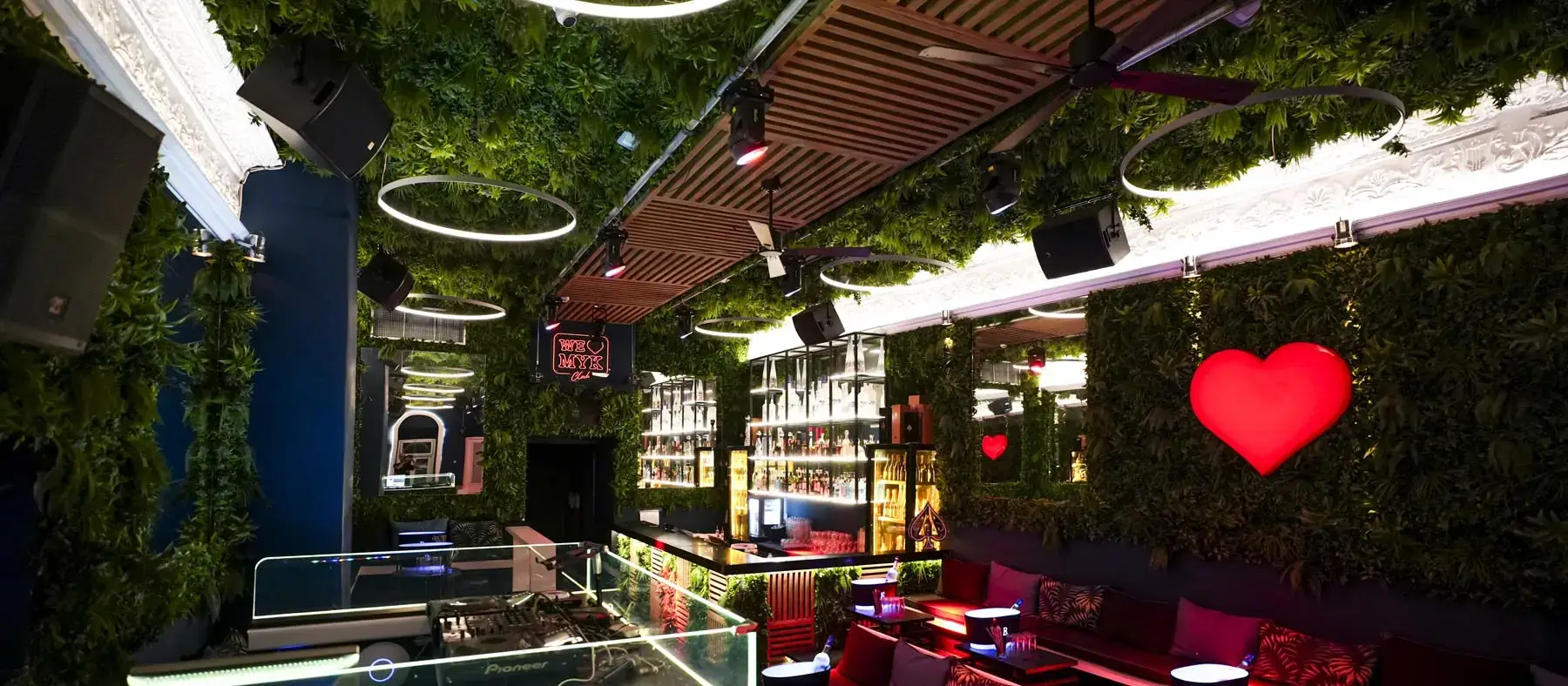
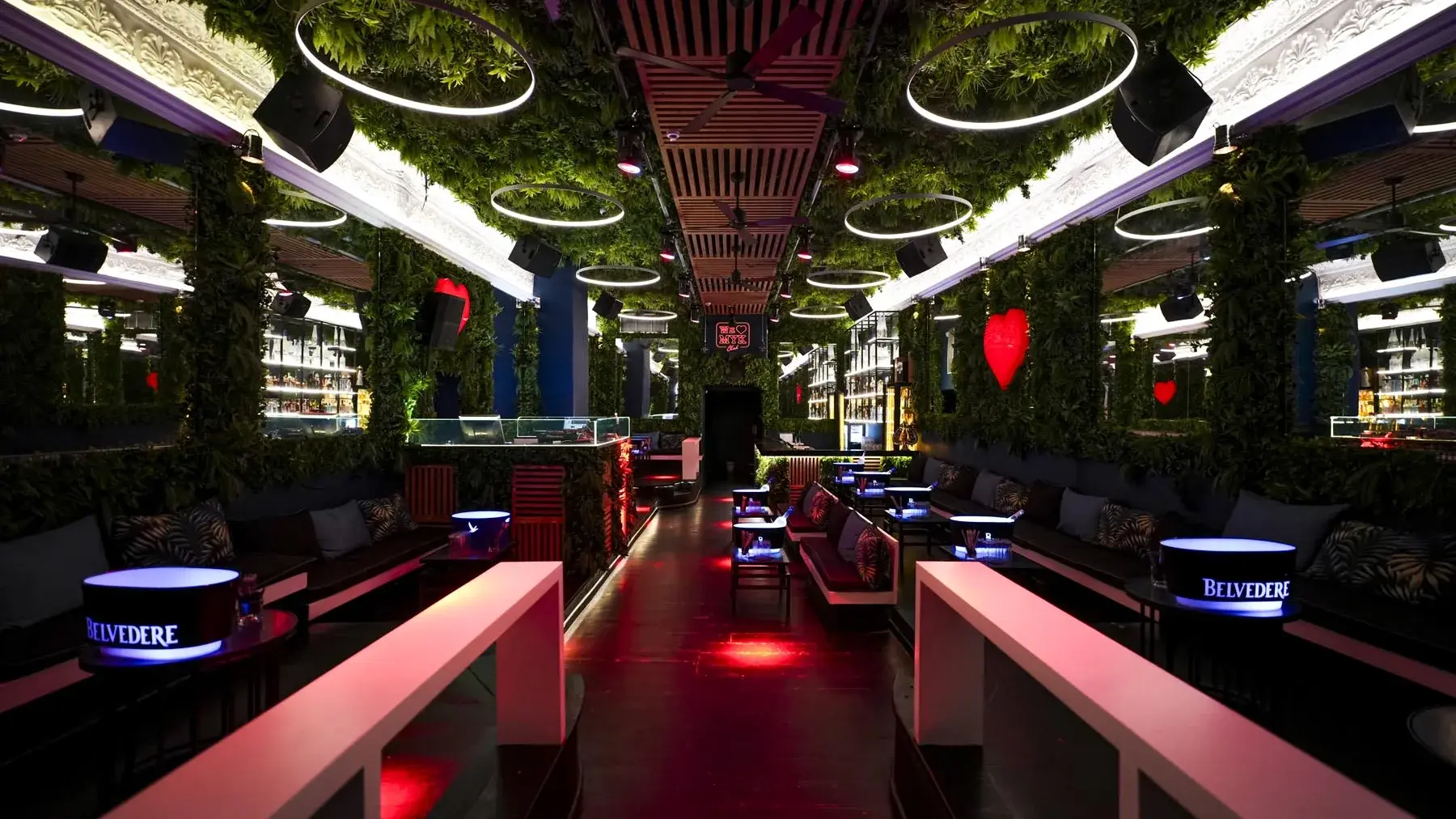
Early enough to enjoy it. In 2026 the nights at WE ❤ MYK Club opened their doors at midnight, which leaves the evening for a long dinner in Chora and a walk through Mykonos Town before the door.
A mostra and an ouzo make a light start; louza and a plate of meats from the grill make a heavier one. For the outfit, see what to wear on a night out in Mykonos.